


The heated debate on the labeling of genetically modified foods in California culminates this Nov. 6 at the voter ballot box as the measure titled Proposition 37.
Proposition 37, also known as the Right to Know Genetically Engineered Food Act, would require labeling of foods containing ingredients with DNA that has been altered through genetic engineering techniques.
Proponents say their measure has a simple rationale: Californians should know what’s in the food they buy and eat. Legal critics argue that the initiative is far more complex.
“Proposition 37 is a huge opportunity to protect our right to know what’s in our food,” said Stacy Malkan, a spokeswoman for the California Right to Know campaign. “Voting ‘yes’ on Prop. 37 is a vote for our right to decide for ourselves what we eat.”
Genetically modified foods, also known as GMOs, account for about 90 percent of U.S. corn, soybean and sugar beet production. Genetically modified fresh fruits and vegetables, including sweet corn, Hawaiian papayas, zucchini and yellow squash are sold widely.
Lucero Hernandez, a worker at the Mission District grocery store El Chico Produce #4, predicts changes in the market if more of the foods are required labeling.
“People will be curious about why everything is changing. Some people might resist buying certain products but others might like that what they see is being explained,” she said.
Opponents, however, emphasize the “deceptive” provisions of the law and its potential to create a slew of negative outcomes.
“Labels imply a warning and warning implies bad and that is misleading because these foods are perfectly safe,” said Kathy Fairbanks, spokeswoman for the No on Prop. 37 campaign.
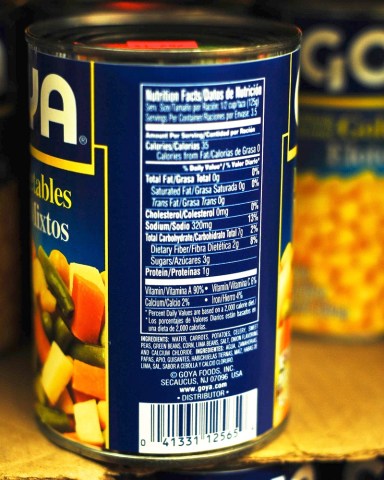
Opponents claim that there is no scientific basis for concern and that genetically modified plants have been proven safe for consumption for the past two decades. Additionally, some are worried that labeling confuses the consumer into being needlessly apprehensive.
“If you’re saying you want labeling for the right to know, then every product should come with an encyclopedia attached to it,” says Martina Newell-McGloughlin, director of life and health science research initiatives at UC Davis. “What should really be on the label is the type of information that will allow the consumer to make the right choices.”
Members of the No on Prop. 37 Campaign emphasize the potential for thousands of “meritless” lawsuits to surface if this proposition is passed.
The law enforcement provisions of Proposition 37 are similar to an older labeling measure passed in 1986 called Proposition 65. Reports state that Proposition 65 generated more than 16,000 actions against businesses and nearly $500 million in settlements, attorney fees and costs.
Another argument of opponents to Proposition 37 is that it would cost food producers money—both to re-label products and because of the potential loss of customers who are apprehensive about the label—thus raising food prices for consumers.
The No on Prop. 37 campaign’s major donors are Monsanto, DuPont, and the Grocery Manufacturers Association. Donating companies have spent over $20 million on advertising aimed at convincing Californians to vote no on Proposition 37, while proponents have spent close to $3 million.
GE labeling is law in nearly 50 countries, including China, Japan and each member of the European Union. Alaska requires labeling of GE fish and shellfish, making it the only U.S. state with any type of GE labeling law.
Closer to home, the upper house of Mexico’s Senate unanimously approved a March 2000 health bill that would require food containing GE ingredients to carry labels, but the law is still awaiting approval by the Chamber of Deputies.
Though the debate between proponents and opponents remains contentious, what’s clear is the ability of Proposition 37 to directly affect members of the community.
Octavio Padilla, a former produce market worker and fitness trainer, needs the health of the community. “People must pay more attention to the food industry,” Padilla asserts. “This is not only important for the community, but for our children and for future generations.”
